Reproductive decision-making
Why people in low-fertility countries start families later than they would like, studied in the UK and now in Finland.
Read about the projectLecturer in Biological and Quantitative Anthropology, University of Bristol
I study why people have the families they do, and how biology, culture and circumstance shape reproduction, health and childhood.
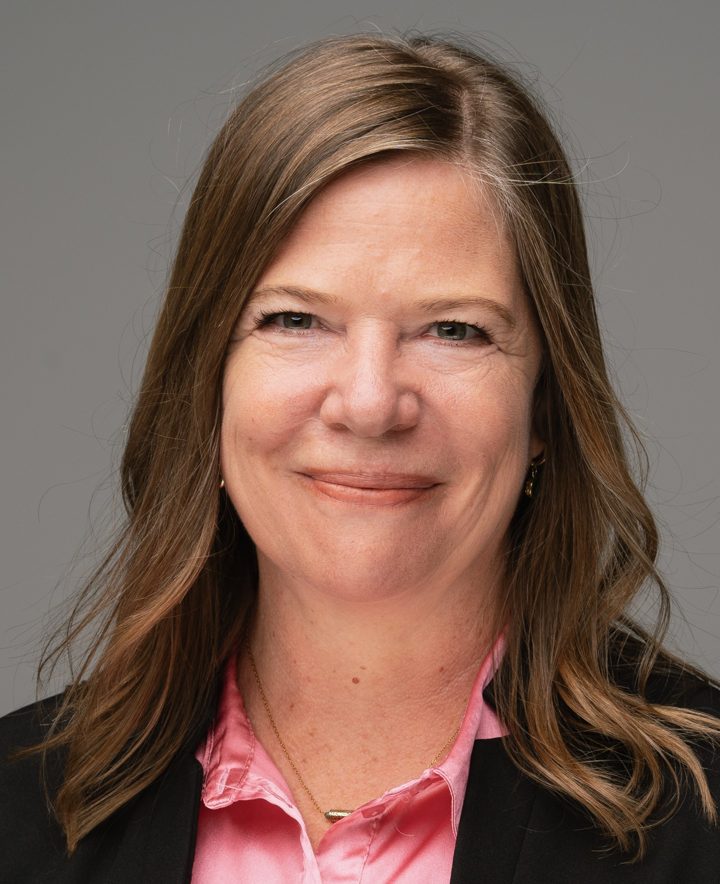
I am an evolutionary anthropologist and behavioural ecologist working across anthropology, health, reproductive ecology and family demography. My research takes a biocultural approach: the interplay between biology and culture is central to explaining variation in reproductive behaviour, health outcomes and human life histories.
My recent work asks why people in low-fertility countries start families later than they would like, and what would help them. More generally I am interested in the behavioural ecology of families, maternal and child health, and evolutionary medicine. I have taught quantitative methods and evolutionary medicine and public health to undergraduate and postgraduate students.
Why people in low-fertility countries start families later than they would like, studied in the UK and now in Finland.
Read about the projectHow parents of toddlers experienced the UK lockdowns, from fathers at home to grandparents kept away.
Read about the project